Week 1
Interaction design as a field started when the first screen was designed to hold more than static copy. Everything that is interactive is considered a form of interactive design. This may include but not limit to buttons, forms and clickable links. “The interactive designer has 3 questions to answer. How do you [do, feel or know] something” – B. Verplank. According to Verplank, interactive design consolidates how to solve a client’s problem through the use of interactive media.
During an interaction, the more engaging an interaction is, the reactive factor increases as well. This example is derived from two interactions, one with a vending machine and the other a conversation between two people. The vending machine’s interactive design is to input the product they want, pay for it and finish the transaction. The vending machine cannot engage with the client’s requirements further than delivering the product while a good conversation can cause an increased reaction from both individuals as they engage in increased conversation over time.

In my opinion, the section in the lecture pod outlining that Interactive media is not about information, but about experience is the most important point. Creating this experience for others we must correctly build and structure the information we are given for these experiences.
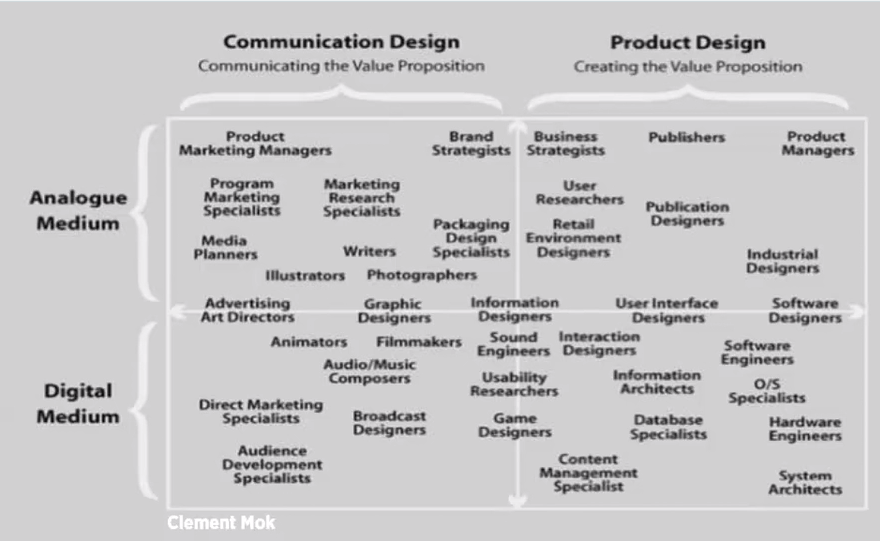


Interactive Design
Interactive Design is the process of creating something that integrates human function and machines together. This form of design analyses our day to day requirements and creates a product that requires a form of human interaction in order to solve. This may include online survey forms where an individual is required to fill their information in. The information is then consolidated into a section for the surveyor in an easy to read manner. Interactive Design is designing something of quality.


 Brandon's Lecture Notes